
Annual Eye Exams vs. Vision Screenings: Why They’re Not the Same
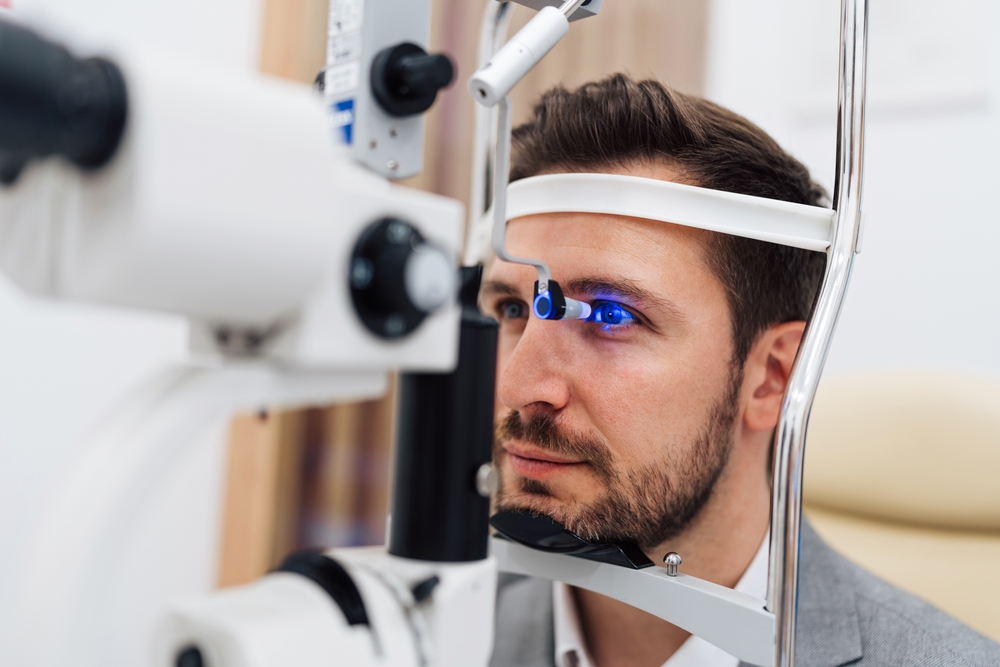
Many people assume that a vision screening and a comprehensive eye exam are the same - but they serve very different purposes. While both can play a role in identifying vision concerns, only one provides a complete picture of your eye health. Understanding the difference between a quick vision screening and a full eye exam is essential for protecting your sight and catching potential problems early.
Understanding a Vision Screening
A vision screening is a basic, limited assessment designed to quickly identify obvious vision problems. These screenings are commonly offered in settings such as schools, pediatric offices, workplaces, and community health events. Their primary purpose is to flag potential vision concerns - not to provide a diagnosis or comprehensive evaluation.
During a vision screening, visual acuity is typically checked to see how clearly a person can see at a distance. The screening may indicate whether someone might need glasses and usually takes only a few minutes to complete. In many cases, vision screenings are performed by individuals who are not eye care professionals.
While vision screenings can be helpful, it’s important to understand their limitations. They do not diagnose eye diseases, evaluate overall eye health, or detect early signs of serious conditions. Vision screenings also do not replace a comprehensive eye exam performed by an optometrist or ophthalmologist.
What Is a Comprehensive Eye Exam?
A comprehensive eye exam is a thorough medical evaluation of both your vision and your eye health, performed by an eye doctor. These exams go far beyond checking whether you can read letters on a chart.
A comprehensive eye exam may include:
• A detailed review of your health and family history
• Refraction testing to determine your exact prescription
• Evaluation of eye alignment and focusing ability
• Examination of the retina, optic nerve, and blood vessels
• Eye pressure testing to screen for glaucoma
• Assessment of how well your eyes work together
This level of evaluation allows your eye doctor to assess not only how well you see - but how healthy your eyes truly are.
Conditions a Comprehensive Eye Exam Can Detect
One of the most important differences between vision screenings and eye exams is early detection. Many eye and health conditions develop silently, without noticeable symptoms in the early stages.
A comprehensive eye exam can help detect:
• Glaucoma
• Macular degeneration
• Diabetic eye disease
• Cataracts
• High blood pressure and diabetes-related changes
Catching these issues early can make a significant difference in treatment outcomes and long-term vision preservation.
Why Annual Eye Exams Matter for All Ages
Eye care is important at every stage of life - not just when vision becomes blurry or changes become noticeable. Routine eye exams support long-term eye health and help detect issues early, regardless of age.
For children, routine eye exams are essential for proper visual development. Clear and comfortable vision plays a major role in learning, reading, and overall development. Comprehensive eye exams can identify concerns such as lazy eye, focusing difficulties, or eye coordination problems - issues that vision screenings often overlook.
Adults also benefit from annual eye exams, even if their vision feels stable. These exams help monitor ongoing eye health, ensure prescriptions remain accurate, and detect early signs of eye disease. This is especially important for adults who spend long hours on digital screens or have a family history of eye conditions.
As we age, the risk of developing eye diseases increases. For seniors, annual eye exams are critical for detecting and managing age-related conditions, preserving vision, and maintaining independence and overall quality of life.
Schedule Your Comprehensive Eye Exam in in League City Today
While vision screenings serve a helpful purpose, they are not a replacement for comprehensive eye exams. A full eye exam provides a complete picture of your vision and eye health, allowing problems to be detected early. Making annual eye exams a priority is one of the simplest and most effective ways to protect your sight for life.
Schedule your annual comprehensive eye exam with Elite Vision Care to protect your vision for years to come. Visit our office in League City, Texas, or call (346) 220-1200 to book an appointment today.
Quick Links

Leave Us
A Review!
Keep
In Touch

Contact Info
Office Hours
- Monday 9:00am - 6:00pm
- Tuesday 9:00am - 6:00pm
- Wednesday 10:00am - 6:00pm
- Thursday 9:00am - 6:00pm
- Friday 9:00am - 6:00pm
- Saturday 9:00am - 3:00pm
- Sunday Closed
© 2026 Elite Vision Care. All rights Reserved. Accessibility Statement - Privacy Policy - Sitemap
Powered by: